Categories
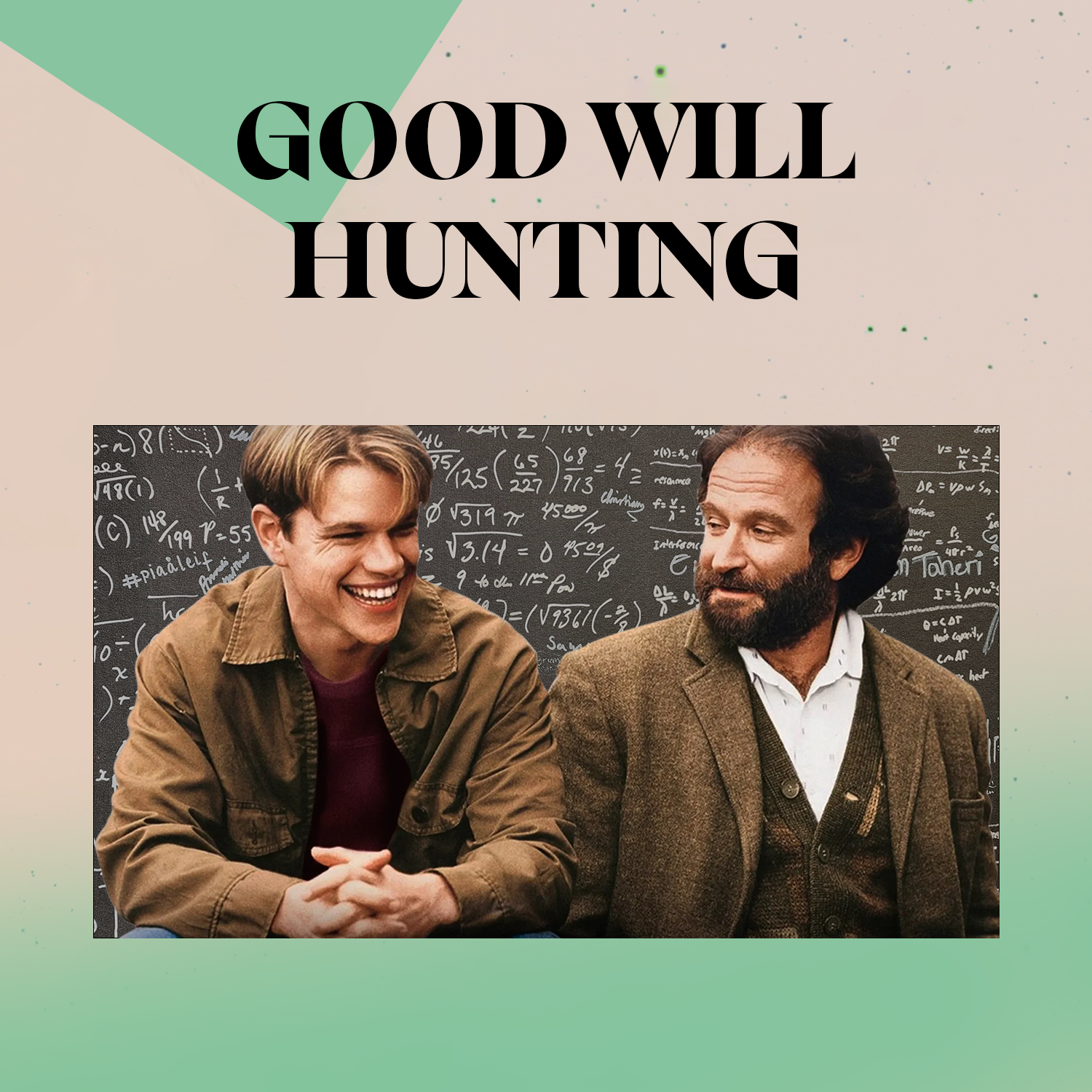
Breaking Down Good Will Hunting: The Power of Vulnerability, Overcoming Fear, and the Avoidant Mind
Good Will Hunting (1997), directed by Gus Van Sant, is a psychological drama that gained recognition not only for its performances but above all for its sensitive exploration of trauma, fear of intimacy, and the therapeutic process.
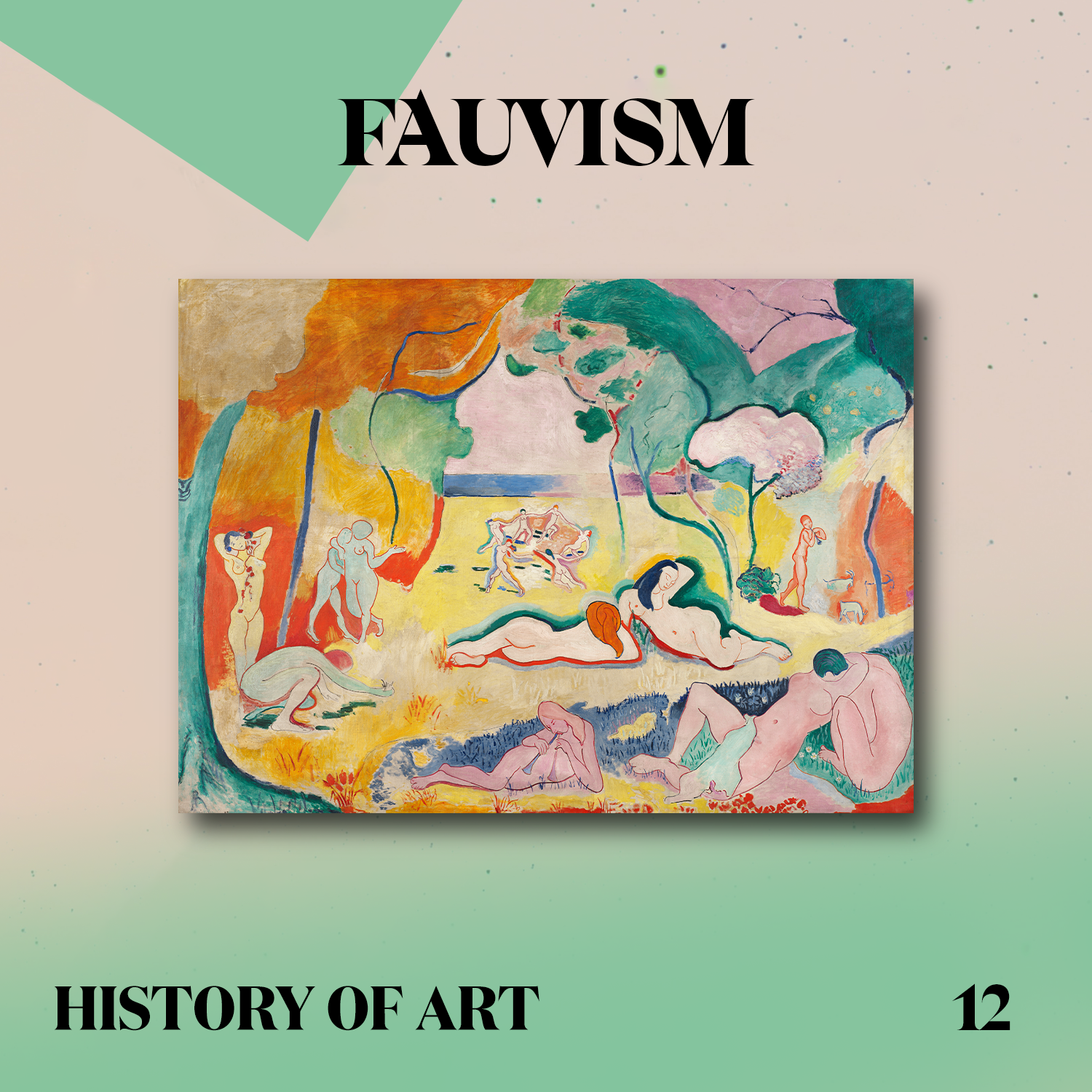
Exploring Fauvism: Wild Beasts, Pure Color, and the Birth of Modern Expression — History of Art #12
Fauvism was the first modern avant-garde movement to make color a primary means of expression. Wild Beasts used color and bold brushwork to convey raw emotion and energy. It paved the way for later modernist movements by challenging traditional approaches to form and perspective.
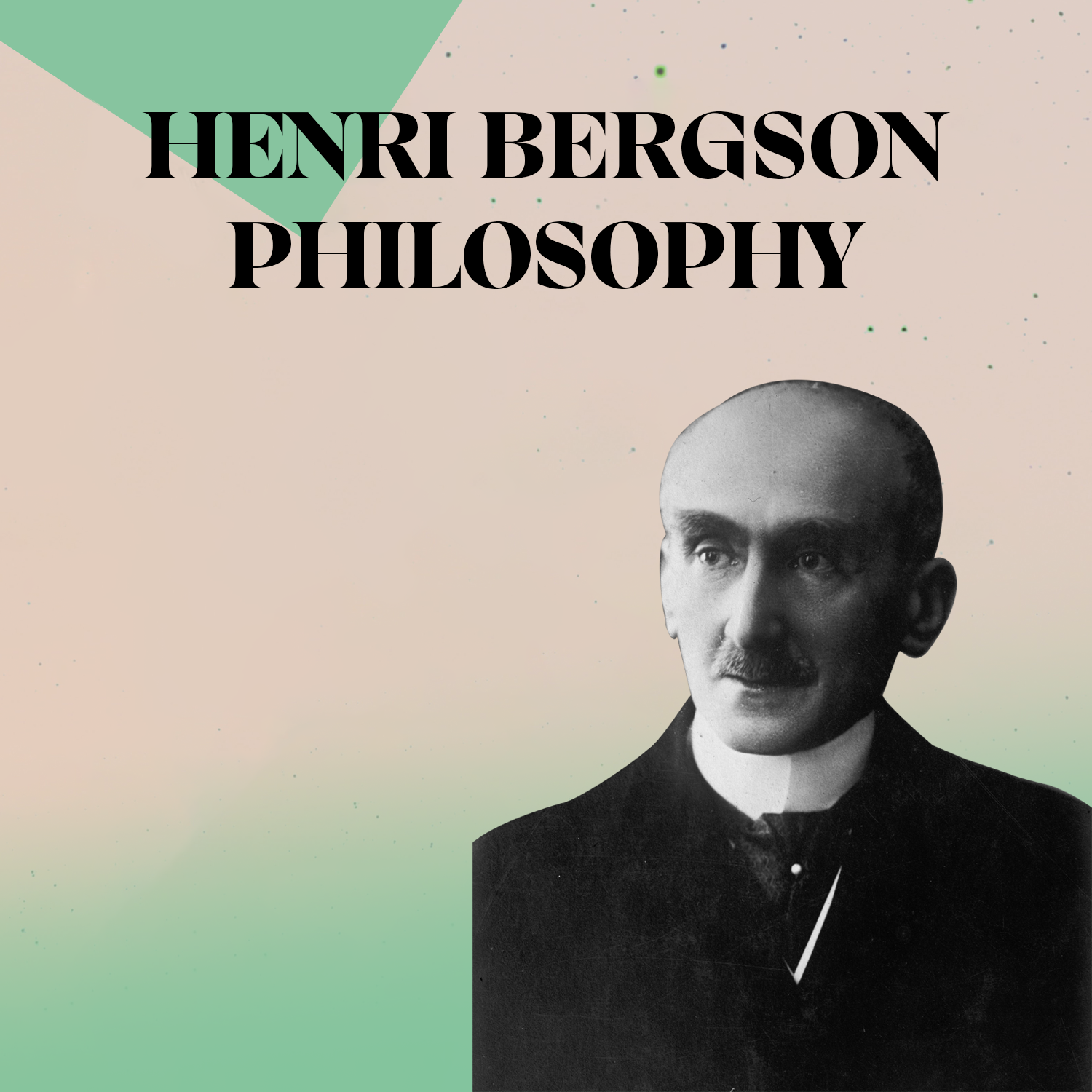
Exploring Henri Bergson: Intuition, Élan Vital, and the Philosophy of Life — History of Philosophy #6
Henri Bergson, a French philosopher and Nobel Prize–winning thinker, revolutionized modern philosophy by arguing that the intellect cannot grasp life in its creative becoming. Only intuition reveals reality as a dynamic, evolving process driven by the vital impulse he called élan vital.
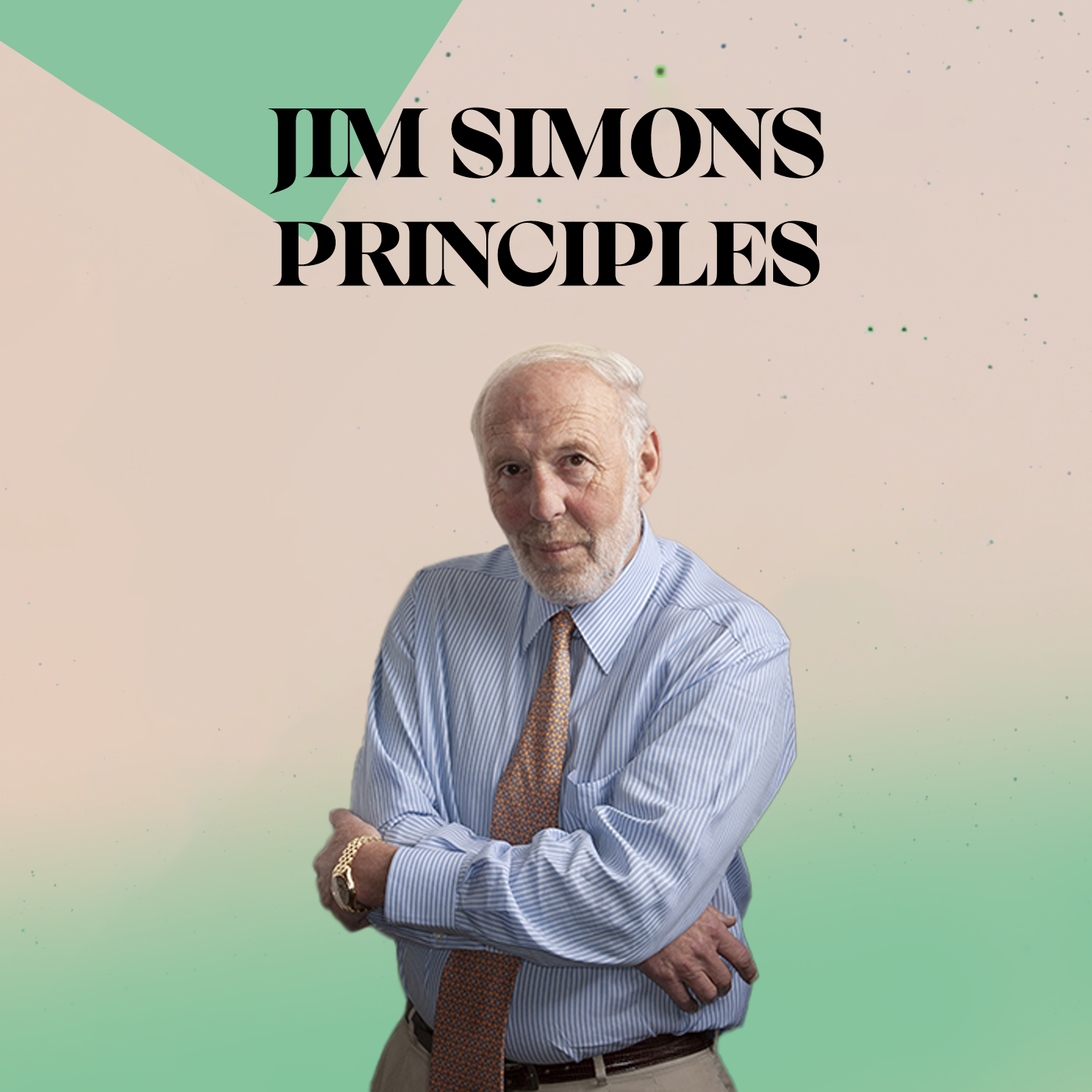
Jim Simons: Patterns, Patience, and the Art of Not Following the Crowd
im Simons was a mathematician and investor who revolutionized finance by founding Renaissance Technologies. He found beauty in complexity and logic in uncertainty, proving that true innovation comes from connecting disciplines others keep separate.
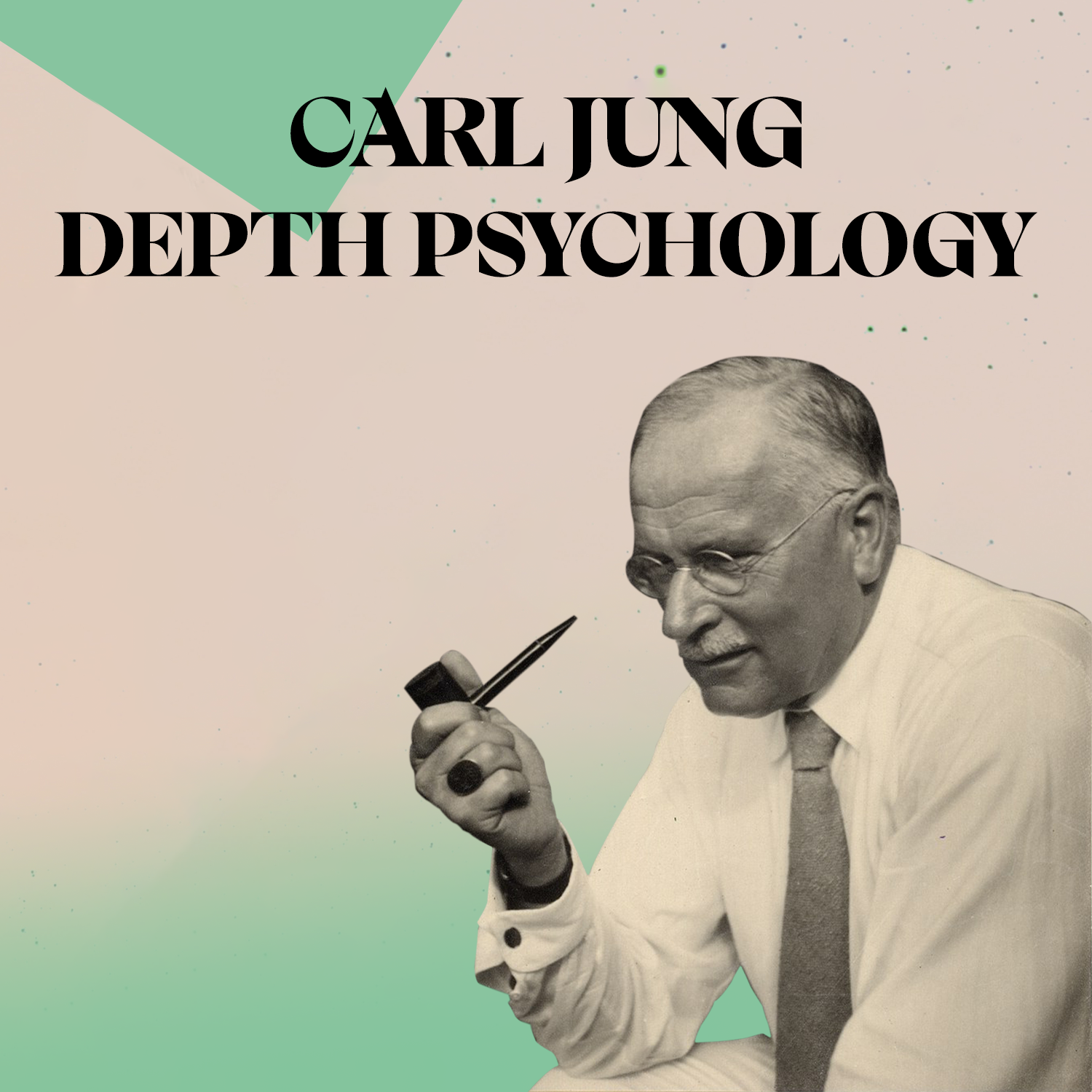
Exploring Carl Jung: Depth Psychology, Archetypes, and the Path to Wholeness
Carl Jung was a Swiss psychiatrist and founder of depth psychology who revolutionized our understanding of the human psyche by discovering the collective unconscious, a shared foundation containing archetypes that shape how we perceive the world and realize our potential.
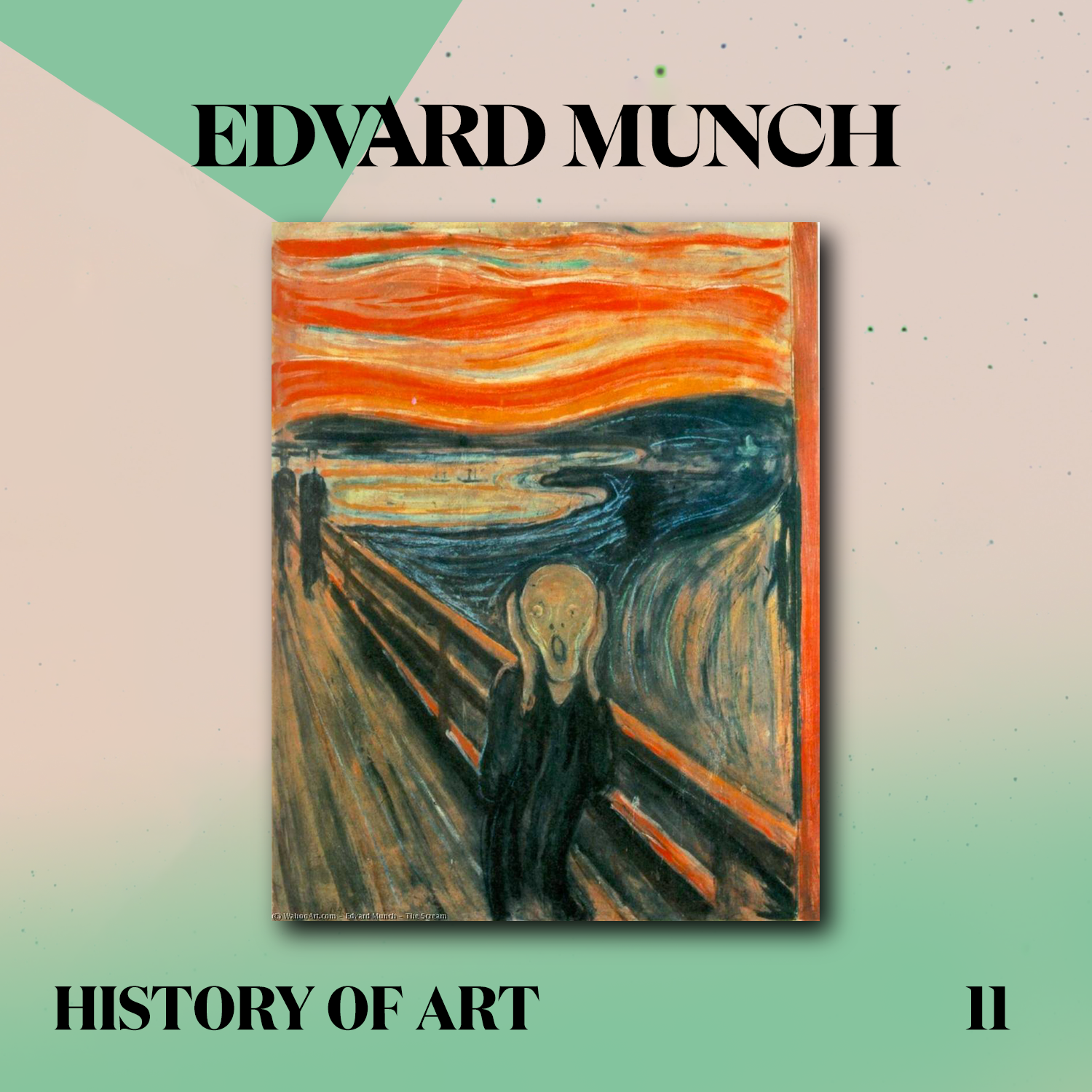
Exploring Edvard Munch: Anxiety, Symbolism, and the Human Psyche — History of Art #11
Edvard Munch was a Norwegian artist whose work reshaped modern art by turning inward, toward emotion, memory, and the human psyche. Through simplified forms, expressive line, and charged color, Munch explored anxiety, love, desire, and mortality, creating images that speak not to what the world looks like, but to how it feels to exist within it.

20 Revolutionary Designs of the 20th Century: Iconic Products That Changed the World
An exploration of 20 designs that shaped the 20th century — timeless products that turned innovation into everyday experience and proved that good design is always about people.

Exploring Jean-Paul Sartre: Existence, Freedom, and the Path to Authenticity — History of Philosophy #5
Jean-Paul Sartre, the face of 20th-century existentialism, argued that we are "condemned to be free." This means we bear total responsibility for our choices in a universe without any predetermined meaning, forcing us to face the anxiety of creating ourselves with every decision we make.

Exploring Existentialism: Freedom, Responsibility, and the Search for Authenticity — History of Philosophy #4
Existentialism, a 20th-century movement, emphasizes the individual's freedom and responsibility in a universe that offers no inherent meaning, urging humans to confront their existential dilemmas through personal choice, authentic living, and the search for purpose amidst an often indifferent world.

Exploring William Blake: Visionary Mystic and Precursor of Romanticism — History of Art #10
William Blake, defying the rational approach of his era, elevated imagination and intuition above observation, creating a unique visual language that went unappreciated in his lifetime but later emerged as a profound influence on Romanticism.

Exploring Francis Bacon: Revealing Human Condition Through Distortion — History of Art #9
Francis Bacon, born in 1909, was one of the most influential and distinctive painters of the 20th century. He was renowned for his ability to depict the human figure in a disturbing and emotionally intense manner, often revealing deep psychological tension in his works.

Exploring Frank Lloyd Wright: The Pioneer of Modern and Organic Architecture — History of Art #8
Frank Lloyd Wright, born in 1867 was a visionary American architect whose influence reshaped the landscape of modern architecture. Growing up in rural Wisconsin, Wright developed a deep appreciation for nature that would later become a hallmark of his designs.